Bawarchi POS: Smart Restaurant Management Software
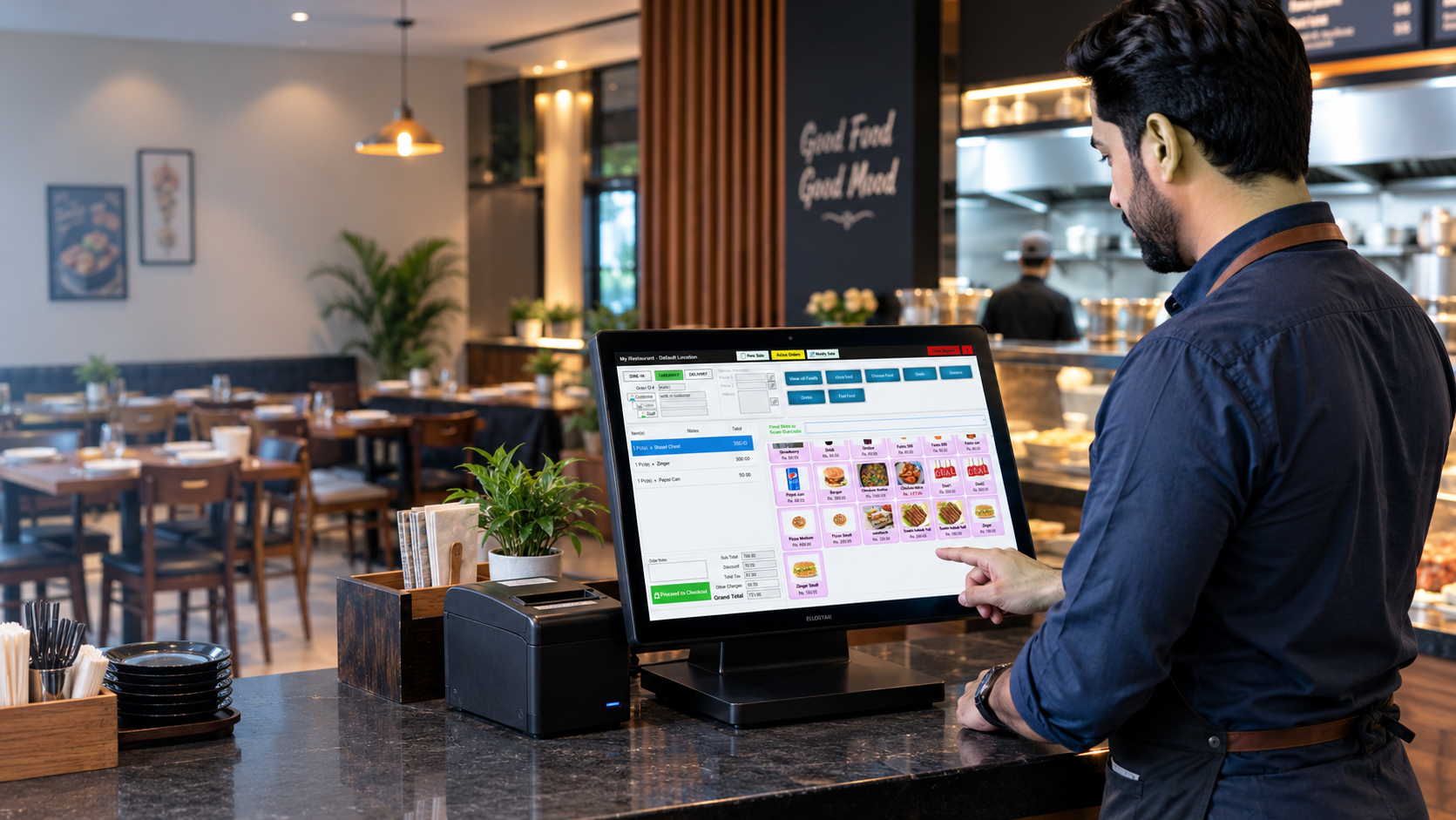
Bawarchi POS: How Smart Restaurant Management Software Can Transform Your Food Business
Running a restaurant is much more than serving great food. Behind every successful food business is a complex network of orders, billing, inventory, purchasing, staff, expenses, customer service, and financial reporting. As restaurants grow, managing these activities manually can become increasingly difficult.
For restaurants, cafés, bakeries, fast-food outlets, cloud kitchens, and food chains, technology can simplify these everyday challenges. A modern restaurant POS system can bring essential business operations together, helping owners and managers work with greater accuracy, efficiency, and visibility.
This is where Bawarchi by Websol Technologies comes into the picture. Designed as a restaurant and food-business management solution, Bawarchi can help businesses digitize important operational processes, organize business information, and gain better control over sales, inventory, billing, and reporting.
But what exactly makes restaurant management software valuable, and how can a solution such as Bawarchi contribute to a more efficient food business?
Let's explore.
What Is Restaurant POS Software?
A Point of Sale (POS) system is the technology used to process sales and transactions. In a restaurant environment, however, a POS system can do much more than simply calculate a bill.
Modern restaurant POS software can connect different aspects of daily operations, including sales, orders, products, payments, inventory, customers, and reporting.
Instead of maintaining separate records for different activities, businesses can use a centralized system to manage their operations.
For example, consider a restaurant that receives hundreds of orders every day. With a traditional process, employees may have to record orders manually, calculate bills, update stock records, and prepare sales summaries separately.
A digital POS system can streamline these processes by keeping important information within a single management environment.
POS Software vs. a Traditional Cash Register
A traditional cash register primarily handles transactions.
A modern restaurant POS system can provide broader business management capabilities, such as:
- Digital billing
- Order management
- Sales tracking
- Product and menu management
- Inventory monitoring
- Expense tracking
- Customer information
- Payment records
- Business reports
This difference is important because restaurant owners don't only need to know how much money was received. They also need to understand what was sold, how the business is performing, what inventory is being used, and where improvements may be needed.
Common Challenges Faced by Restaurants
Restaurant operations can become complicated very quickly. Even a small business may handle hundreds of transactions, multiple suppliers, dozens of products, and numerous daily expenses.
Some of the most common challenges include:
- Manual Billing
Manual calculations increase the possibility of pricing and calculation errors. They can also slow down the checkout process during busy hours.
- Order Management Problems
When orders are recorded manually, misunderstandings can occur between customers, waiters, cashiers, and kitchen staff.
- Inventory Wastage
Food businesses deal with products that can expire or spoil. Poor inventory visibility can lead to unnecessary purchasing, shortages, or wastage.
- Difficulty Tracking Sales
Without organized digital records, it can be difficult to determine which products generate the most revenue or how sales change over time.
- Poor Expense Visibility
Restaurants have numerous expenses, including ingredients, utilities, salaries, supplies, maintenance, and other operational costs. Tracking these manually can make financial management difficult.
- Slow Reporting
Preparing reports manually can consume valuable time, especially when management needs information quickly.
- Lack of Centralized Information
When business information is spread across notebooks, spreadsheets, receipts, and different systems, getting a complete picture of the business becomes harder.
- Managing Multiple Locations
For businesses operating multiple branches, maintaining consistent and centralized information can become even more challenging.
These challenges don't necessarily mean that a restaurant is poorly managed. Often, they are simply signs that the business has outgrown manual processes.
How Bawarchi Can Help Modern Food Businesses
Bawarchi by Websol Technologies provides a digital approach to restaurant and food-business management.
Instead of relying heavily on disconnected manual records, businesses can use a centralized system to manage important operational information.
Depending on the business's requirements, Bawarchi can support areas such as:
- Billing
- Order management
- Sales tracking
- Inventory management
- Product and menu management
- Expense management
- Customer management
- Payment management
- Business reporting
- User and staff management
The major advantage of bringing these functions together is visibility.
Restaurant owners and managers can spend less time collecting information from different sources and more time using that information to manage their businesses.
Streamline Restaurant Billing
Billing is one of the most frequent activities in a restaurant.
During peak hours, cashiers may have to process numerous transactions quickly. Manual calculations can increase workload and create opportunities for errors.
A digital restaurant billing software solution can help streamline this process.
With organized digital billing, restaurants can:
- Process transactions more efficiently
- Reduce manual calculation errors
- Maintain digital transaction records
- Improve checkout efficiency
- Track sales more systematically
- Make transaction information easier to review
For example, during a busy dinner period, a restaurant may process dozens of customer orders within a short period.
Instead of relying on handwritten calculations and separate records, digital billing allows transactions to be recorded systematically.
This doesn't simply make billing faster. It also creates useful business data that can later support sales analysis and reporting.
Better Restaurant Inventory Management
Inventory is one of the most important areas of food-business management.
A restaurant may have ingredients, beverages, packaging materials, finished products, and other stock items moving in and out every day.
Without proper restaurant inventory management, businesses can experience:
- Stock shortages
- Overstocking
- Expired products
- Food wastage
- Unnecessary purchasing
- Increased operating costs
A digital restaurant inventory software solution can make stock information easier to monitor and manage.
Depending on the business setup, inventory records can help management understand:
- Current stock levels
- Purchases
- Sales-related stock movement
- Product movement
- Stock shortages
- Wastage
- Inventory costs
Why Inventory Visibility Matters
Imagine a café that frequently runs out of one of its most popular ingredients.
Without reliable inventory information, management may only discover the problem when the product is almost finished.
With better stock visibility, the business can identify inventory requirements earlier and plan purchasing more effectively.
For food businesses, this can be particularly valuable because inventory isn't simply an asset—it can directly affect food quality, customer satisfaction, and profitability.
Manage Restaurant Sales More Effectively
Sales information is one of the most valuable sources of data for a restaurant owner.
Knowing total revenue is useful, but management may need to go further.
Questions such as these matters:
- Which products are selling the most?
- Which products are generating less demand?
- How much did the business sell today?
- How are sales changing over time?
- Which areas of the business need attention?
A digital restaurant sales management system can make this information easier to organize and analyze.
For example, suppose a restaurant discovers through its sales records that a particular menu item consistently performs well.
Management can use this information when considering menu placement, promotions, inventory planning, and purchasing decisions.
Likewise, if certain products consistently perform poorly, the business can investigate whether pricing, quality, customer demand, or other factors may be contributing.
The goal isn't simply to collect data. The goal is to turn business data into better decisions.
Reduce Manual Work Through Restaurant Automation
Restaurant automation doesn't mean replacing people.
Instead, it means using technology to reduce repetitive administrative work so employees and managers can focus on activities that require human attention.
Consider the difference:
|
Traditional Approach |
Digital Approach |
|
Manual calculations |
Automated billing |
|
Paper records |
Digital transaction records |
|
Manual stock checking |
Digital inventory tracking |
|
Separate sales records |
Centralized sales information |
|
Manual report preparation |
Digital reporting |
|
Scattered information |
Centralized business data |
When repetitive processes are digitized, employees can spend less time performing administrative tasks.
For restaurant owners, this can also mean having more time to focus on customer experience, staff management, food quality, marketing, and business growth.
Restaurant Reporting and Business Insights
One of the biggest advantages of digital restaurant management is the ability to organize business information into useful reports.
A restaurant owner shouldn't have to wait until the end of the month to understand what is happening in the business.
Regular reporting can help answer questions such as:
How much did we sell today?
Sales information can provide a clearer picture of daily performance.
Which products are performing well?
Product-level information can help identify popular and slow-moving items.
Where are expenses increasing?
Expense records can help management identify areas that require closer attention.
How is the business performing over time?
Historical information can help owners identify trends and compare business performance.
This kind of visibility can support more informed decision-making.
Rather than relying entirely on assumptions, restaurant owners can use actual business information to evaluate their operations.
Who Can Benefit From Bawarchi?
The restaurant management system isn't limited to traditional restaurants. Different types of food businesses can benefit from organized digital operations.
Restaurants
Restaurants manage large numbers of orders, products, transactions, and expenses. A centralized POS solution can help simplify these daily activities.
Cafés
A café POS system can help cafés manage billing, product sales, inventory, and customer transactions while keeping business information organized.
Bakeries
Bakeries often manage numerous products with different prices, stock requirements, and sales patterns. Bakery POS software can support more structured sales and inventory management.
Fast-Food Outlets
Fast-food businesses depend heavily on speed and transaction accuracy. Digital billing and order management can help streamline busy periods.
Takeaway Businesses
Takeaway operations need efficient order and billing processes. Digital systems can help businesses maintain organized transaction records.
Food Chains
For businesses with multiple locations, centralized information and structured reporting can become increasingly important as the organization grows.
Cloud Kitchens
Cloud kitchens operate primarily around order fulfillment and delivery. Digital management tools can help organize sales, products, inventory, and business records.
Other Food Service Businesses
Catering businesses and other food-service operations can also benefit from digitizing administrative and financial processes.
Why Choose a Digital Restaurant Management System?
Technology should not be adopted simply because it is modern. It should solve real business problems.
A well-implemented restaurant management software solution can provide several practical advantages.
Better Operational Control
Centralized information makes it easier for owners and managers to understand what is happening within the business.
Improved Efficiency
Automating repetitive processes can reduce the amount of manual administrative work.
Reduced Human Error
Digital calculations and structured records can reduce mistakes associated with manual processes.
Faster Billing
Digital billing can help employees process customer transactions more efficiently.
Better Inventory Visibility
Organized inventory information can help businesses identify stock requirements and monitor product movement.
Data-Driven Decision-Making
Reports can provide useful information that supports more informed business decisions.
Centralized Information
Keeping important business information in one system can make management and monitoring easier.
Support for Business Growth
As the food business expands, organized digital systems can help establish processes that are easier to manage at a larger scale.
Bawarchi by Websol Technologies
Websol Technologies develops technology solutions designed to help businesses move toward more efficient and digitally managed operations.
Bawarchi represents this approach within the restaurant and food-business sector.
Rather than treating a POS system as simply a billing machine, Bawarchi can be viewed as a broader food business management solution, bringing important operational information together.
From billing and sales to inventory, expenses, customers, and reporting, the objective is to provide businesses with greater visibility and control over their everyday activities.
For a growing restaurant, this can be an important transition—from managing information manually to managing the business through structured digital data.
The real value of such a system isn't just the software itself. It is the ability to create a more organized workflow where information can support daily operations and management decisions.
The Future of Restaurant Management
The restaurant industry is becoming increasingly technology driven.
Customers expect faster service, businesses need better cost control, and owners require timely information to make decisions.
This is encouraging restaurants to move toward:
- Digital POS systems
- Automated billing
- Inventory management
- Digital reporting
- Centralized business information
- Data-driven decision-making
- Integrated management systems
The future of restaurant management isn't necessarily about using more technology. It is about using the right technology in the right places.
A restaurant that understands its sales, inventory, expenses, and operational performance have a stronger foundation for making informed decisions.
For small businesses, digitalization can help replace scattered records with organized information. For growing businesses, it can help establish processes that support expansion.
From Manual Management to Smart Restaurant Management
Consider a typical restaurant operating without a centralized management system.
At the end of the day, the owner may need to collect receipts, calculate sales, check inventory, review expenses, and prepare a summary.
Now consider the same business using a digital restaurant management solution.
Transactions are recorded digitally. Sales information is organized. Inventory records are maintained systematically. Expenses can be tracked, and business reports can provide management with useful insights.
The difference is not simply manual versus digital.
It has limited visibility versus informed visibility.
This is why restaurant POS technology has evolved from a simple checkout tool into an important component of modern food-business management.
Conclusion
Managing a modern food business requires more than good food and excellent customer service. Restaurant owners must also control costs, monitor inventory, manage sales, process transactions, track expenses, and understand business performance.
Manual processes can work when a business is small, but as operations grow, they can become increasingly difficult to maintain.
A modern restaurant POS system can help bring these processes into a more organized digital environment.
Bawarchi by Websol Technologies provides a practical approach to restaurant and food-business management by helping businesses manage essential operations such as billing, sales, inventory, expenses, customers, and reporting.
For restaurants, cafés, bakeries, fast-food outlets, cloud kitchens, and food chains looking to improve operational visibility, adopting the right digital management solution can be an important step toward more efficient business management.
Ready to move beyond manual restaurant management? Explore Bawarchi by Websol Technologies and discover how smart digital tools can help simplify your food business, improve operational control, and support better business decisions.
Author Details

Related Posts
7 Sep,2026
Bawarchi POS: Smart Restaurant Management Software
Bawarchi POS: How Smart Restaurant Management Software Can Transform Your Food Business
Running a restaurant is much more than serving...
31 Aug,2026
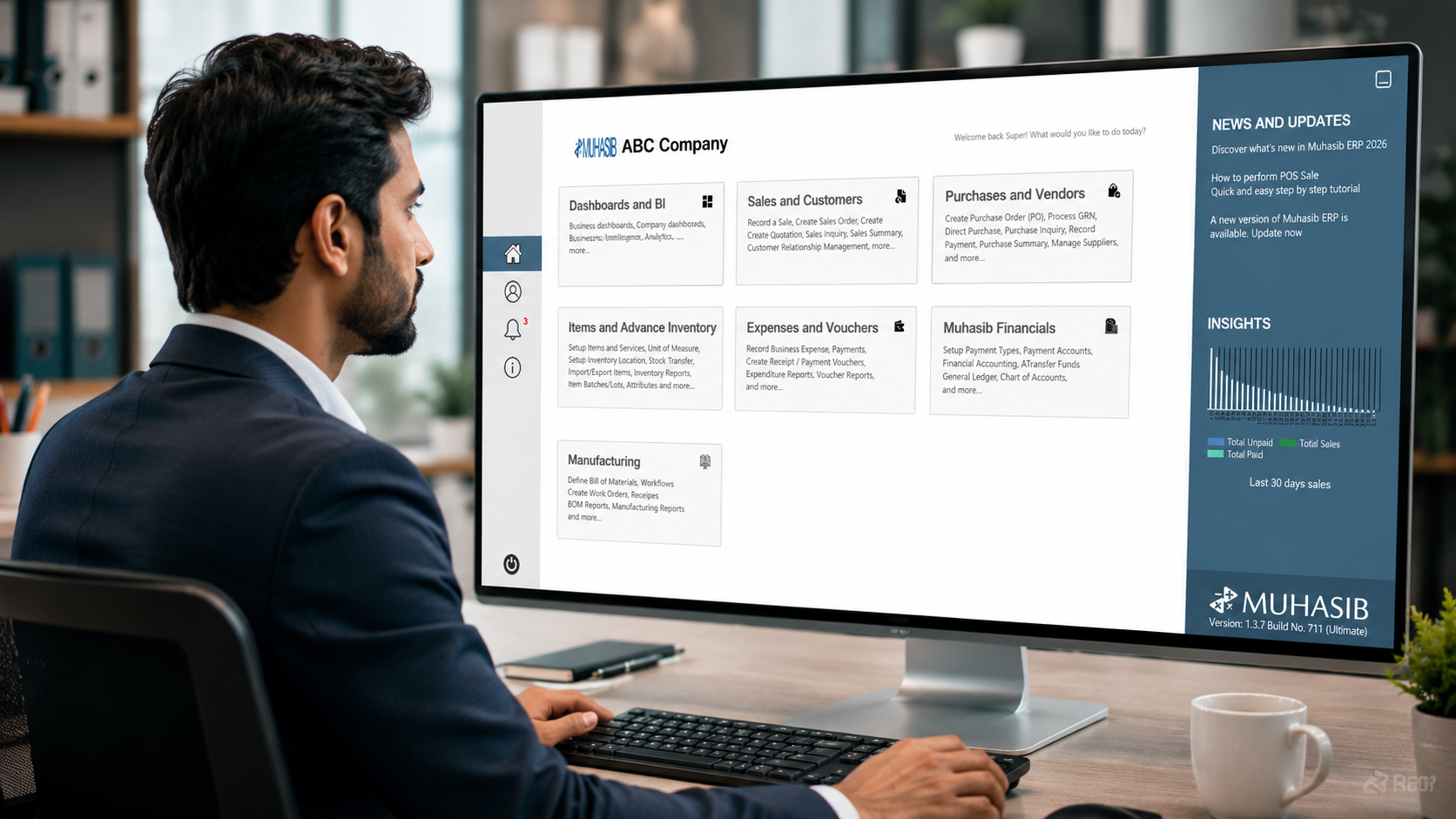
Muhasib ERP | Complete Business Management Software in Pakistan
Muhasib ERP: Complete Business Management Solution with Smart Automation and Advanced Features
Running a business becomes increasingly...